Technical brief / VGS-P4-21
Geographic concentration risk in a procurement portfolio
Assess geographic concentration through shared production and transport dependencies, including exposures hidden behind distributors with different names, offices, or billing addresses.
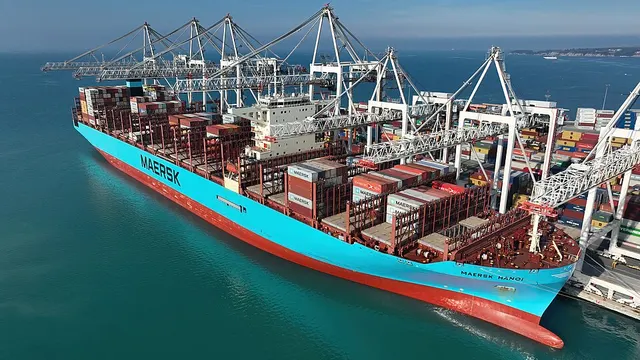 Assess geographic concentration through shared production and transport dependencies, including exposures hidden behind distributors with different names, offices, or billing addresses.
Listen to the summary
Read the narration transcript
Geographic concentration risk in a procurement portfolio. Assess geographic concentration through shared production and transport dependencies, including exposures hidden behind distributors with different names, offices, or billing addresses.
Procurement decision
Decide whether one regional event could interrupt several important purchases at once. Map production sites, critical upstream inputs, transport corridors, and consolidation points rather than using supplier headquarters alone. Compare the operational consequence with the cost and qualification effort required to establish a genuinely independent alternative.
Evidence and ownership
Procurement maintains a location map linked to product families and annual demand. Suppliers identify manufacturing locations and significant subcontracting dependencies within an agreed disclosure scope. Operations models affected service levels; engineering evaluates replacement feasibility. Review the map when sourcing volumes or factories change, and mark unknown locations instead of assuming that missing information means diversified exposure.
Hypothetical example
In a hypothetical portfolio, three distributors source motors from factories in the same flood-prone industrial zone. The buyer discovers the concentration through production-site questionnaires. It qualifies a geographically separate option for the most critical motor and records the residual exposure for less essential applications.
RFQ checklist
- Identify manufacturing and consolidation locations.
- Disclose critical shared inputs or subcontractors.
- Estimate affected demand and interruption consequences.
- Define alternative-source qualification and review triggers.
Primary sources & starting references
Related full article
Managing international sourcing risk across commercial handoffsThese editorial briefs support project planning. They are not legal opinions, credentials or a determination of contract eligibility. Verify the solicitation, agency deviations and applicable requirements for the project. Examples are hypothetical.