Technical brief / VGS-P2-16
Intermodal planning for port-to-facility delivery
Plan the port-to-facility route as connected transport legs, with a confirmed handoff and feasible receiving arrangement at every change of operator.
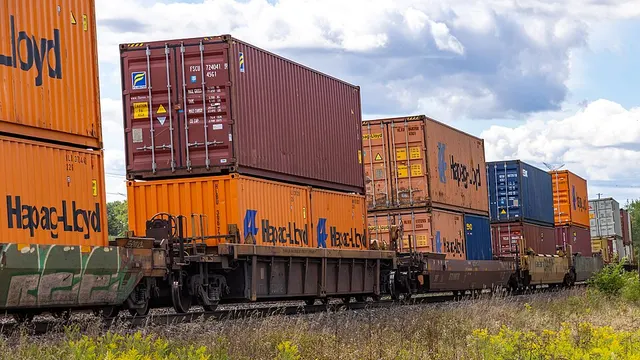 Plan the port-to-facility route as connected transport legs, with a confirmed handoff and feasible receiving arrangement at every change of operator.
Listen to the summary
Read the narration transcript
Intermodal planning for port-to-facility delivery. Plan the port-to-facility route as connected transport legs, with a confirmed handoff and feasible receiving arrangement at every change of operator.
Purchase decision
Decide whether the shipment requires direct trucking, rail followed by truck, temporary storage, or another approved route. Compare total schedule exposure as well as quoted linehaul. A cheaper inland movement may depend on a terminal transfer or equipment return that conflicts with the facility’s receiving hours.
Workflow and evidence
Create a leg plan with availability notices, release dependencies, pickup windows, transfer records, appointment requests, and equipment-return instructions. Ask each provider which preceding event permits its work to start. Record responsibility for monitoring exceptions and obtaining a revised appointment when a port or rail milestone changes.
Hypothetical example
In a hypothetical delivery, rail arrival is scheduled for Friday but the facility receives only Monday through Thursday. The buyer prices an approved holding arrangement and adjusts the delivery appointment before booking, avoiding an unsupported assumption of immediate final delivery.
RFQ checklist
- Provide route, modes, and transfer locations.
- Assign release, pickup, and return responsibilities.
- Confirm facility hours and appointment lead times.
- Price storage and alternative-routing assumptions separately.
Primary sources & starting references
Related full article
Managing international sourcing risk across commercial handoffsThese editorial briefs support project planning. They are not legal opinions, credentials or a determination of contract eligibility. Verify the solicitation, agency deviations and applicable requirements for the project. Examples are hypothetical.